Greetings!
From strengthening wildlife crime investigations to supporting communities and welcoming team members back into the field, the past months have been quietly busy at VFWT.
Join us as we share a snapshot of the partnerships, people, and practical conservation work shaping our efforts on the ground from the end of 2025 through to the first weeks of 2026.
For Wild Africa,

Jessica Dawson
Executive Director
VFWT Signs MOU with Zimbabwe Republic Police
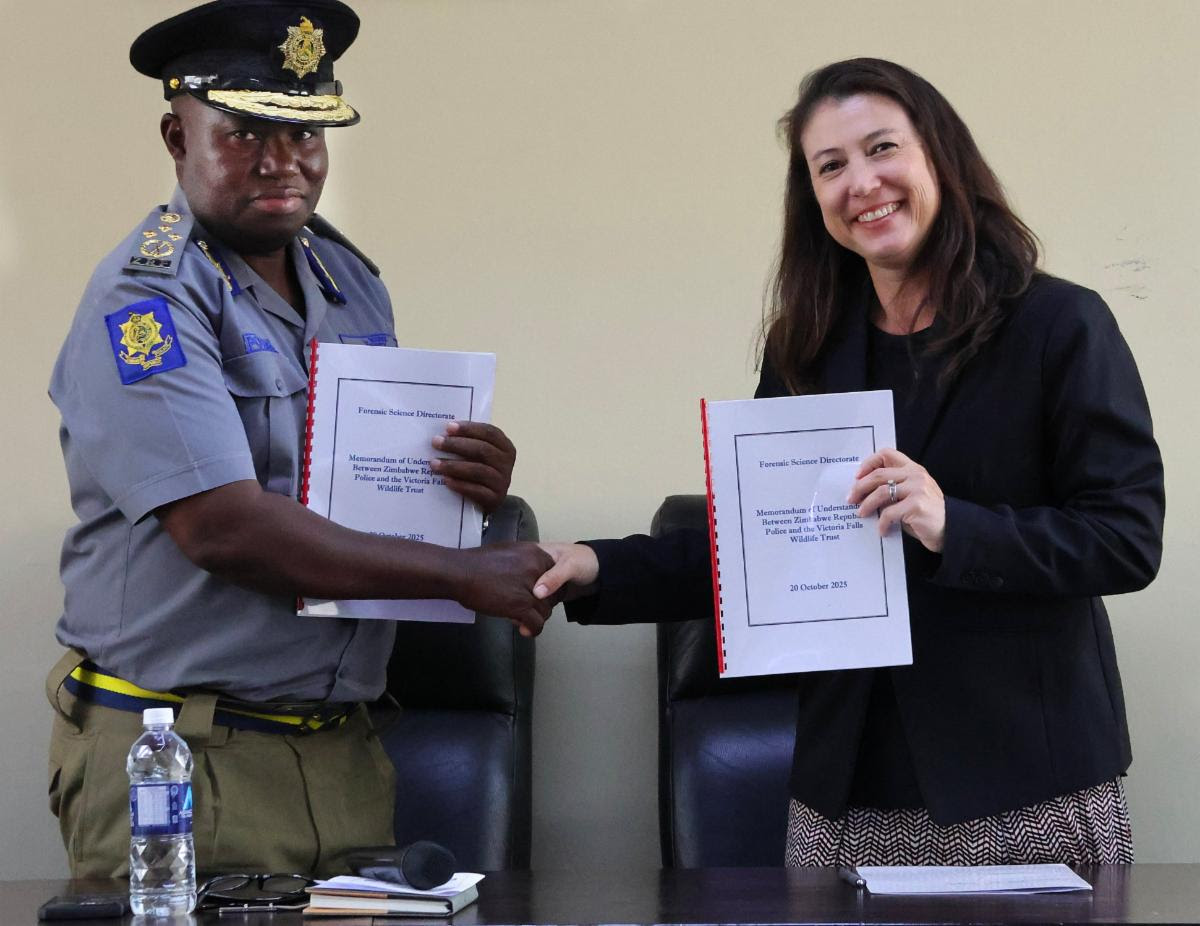
In October 2025, VFWT signed a Memorandum of Understanding with the Zimbabwe Republic Police at Police Headquarters in Harare. The agreement formally recognises the VFWT Wildlife Disease & Forensics Laboratory’s testing of wildlife samples for forensic evidence in wildlife crime cases. It also cements a relationship to support the police in wildlife crime casework and provide training and resources to improve efforts at countering wildlife crime.
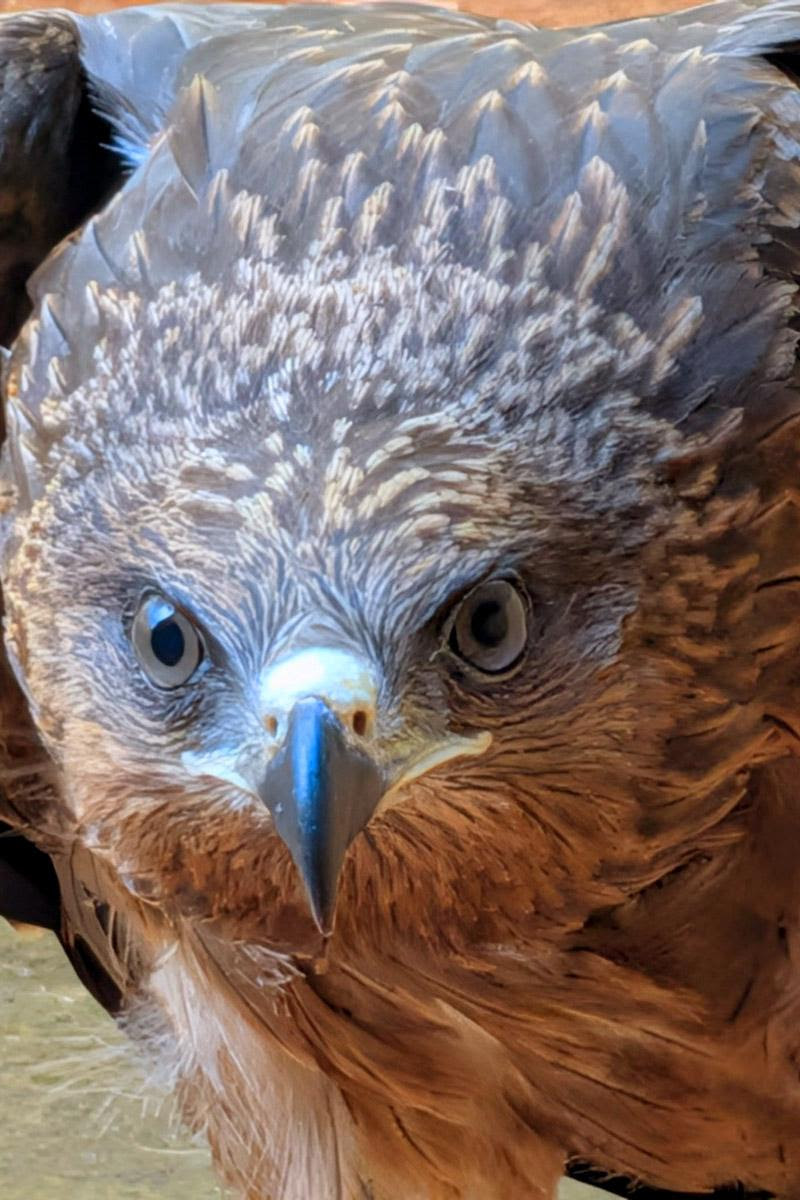
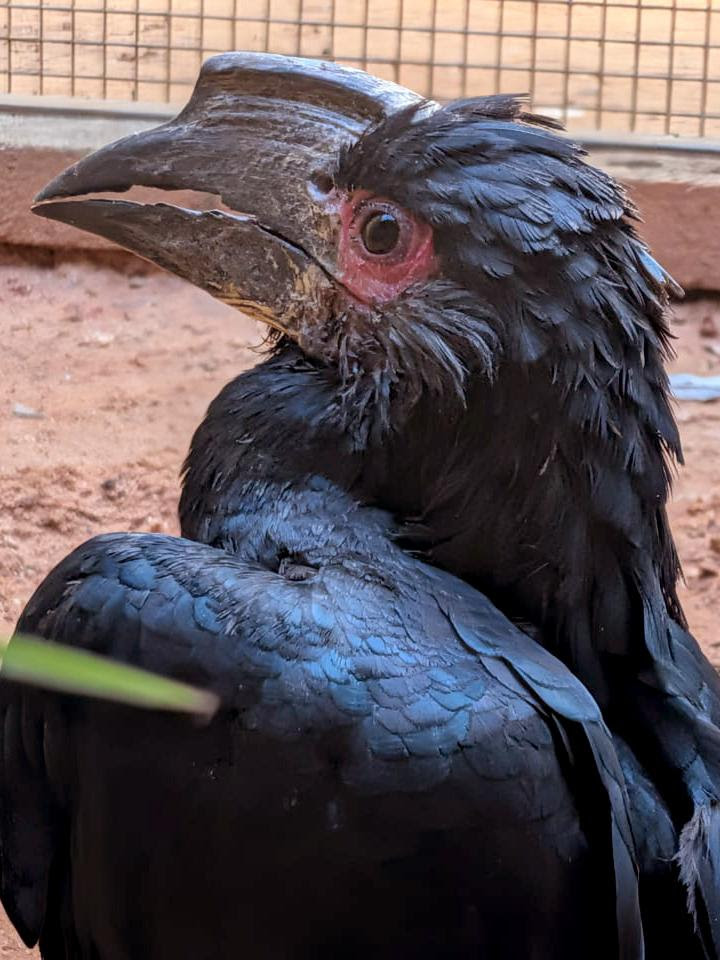
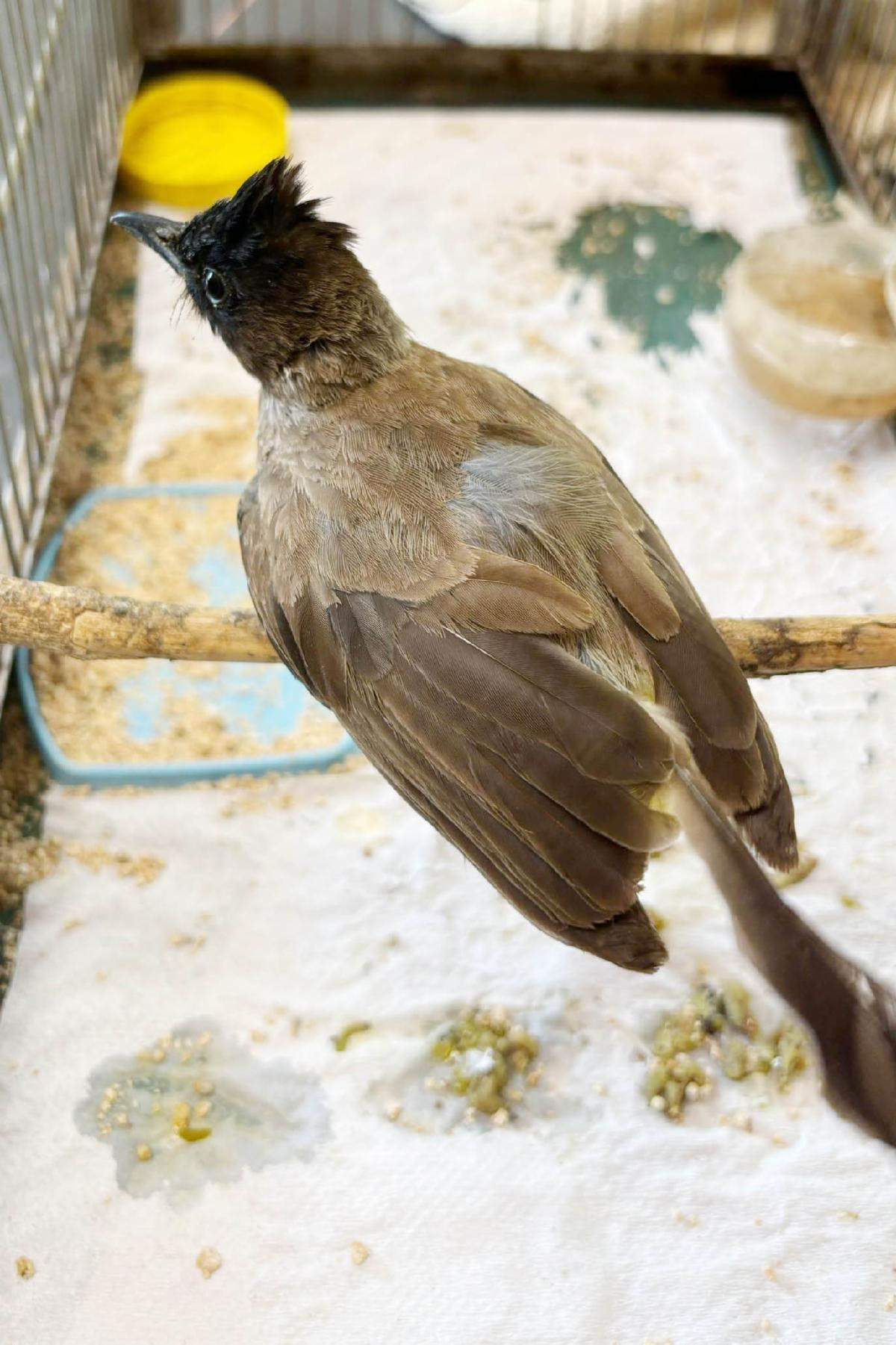
Three Avian Guests, All Finding their Wings Again
Keeping Nesting Trees Standing
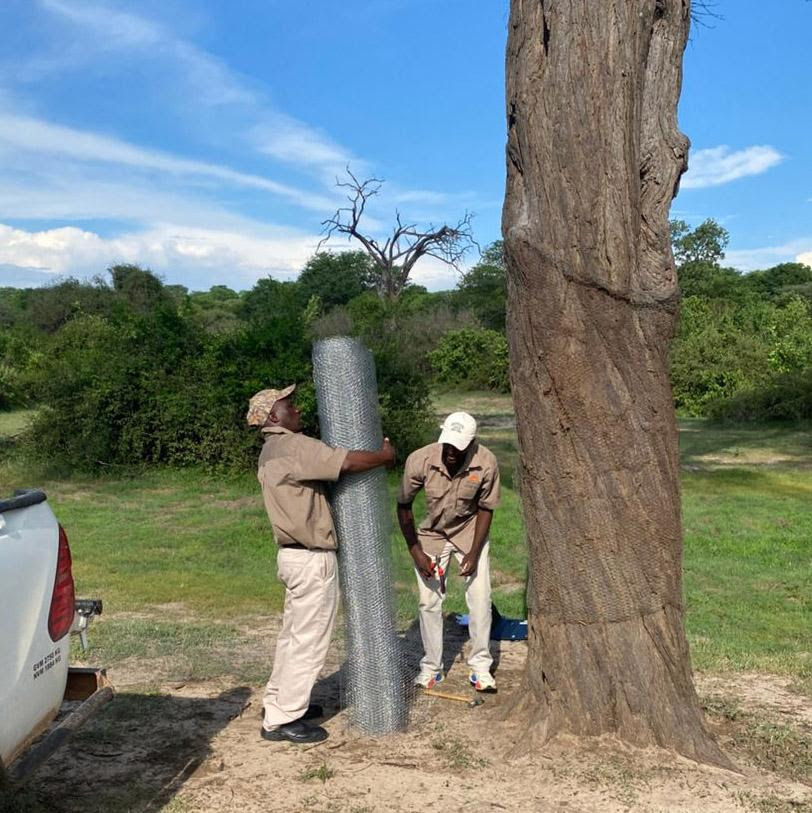
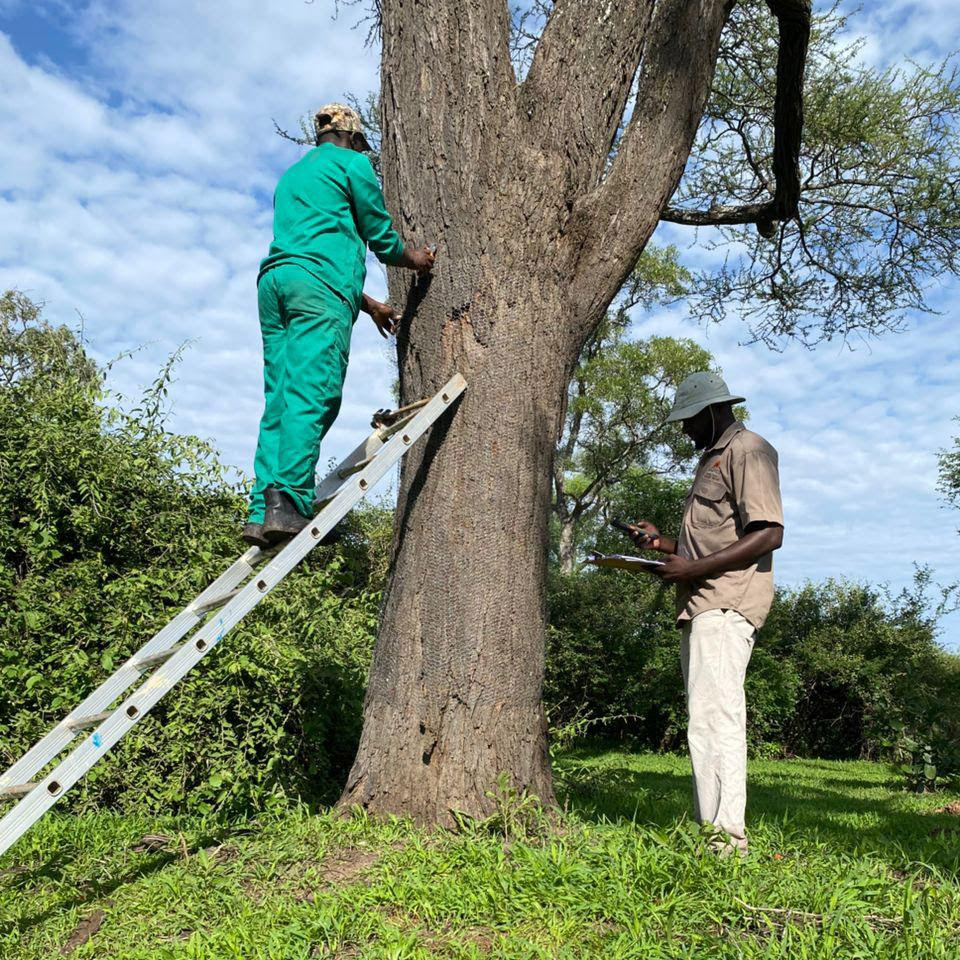
Our teams continue protecting vulture nesting trees in Matetsi Safari Area from elephant damage. Fifty priority mature trees were protected through new netting and repairs to damaged or stolen wire. Mature nesting trees take decades to replace. Ongoing monitoring will help safeguard breeding habitat for vultures in this challenging landscape.
Above: Small interventions – lasting impact. Protecting nesting trees today safeguards breeding sites that will take decades to replace. Following field assessments, 50 priority trees are now well protected, with a further 10 benefiting from natural thorny vegetation.
VFWT Assists with Training Investigators on
Wildlife Crime Scene Investigation
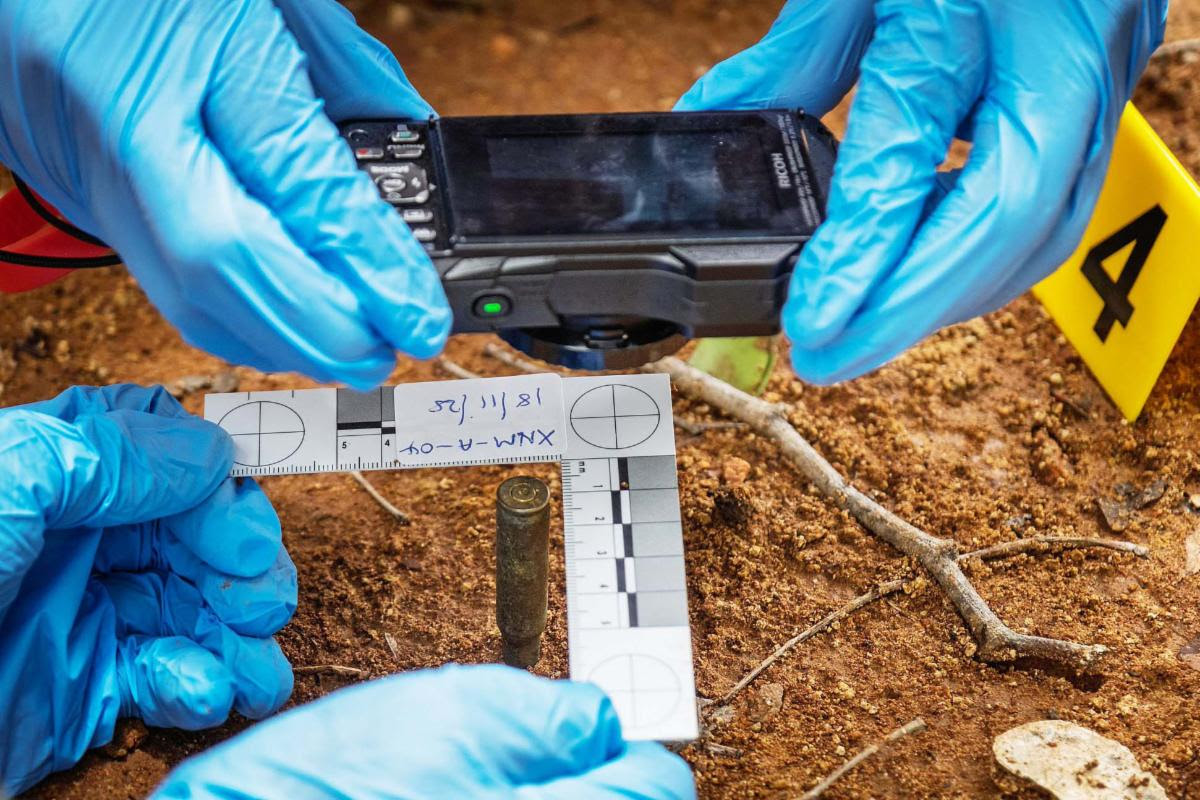
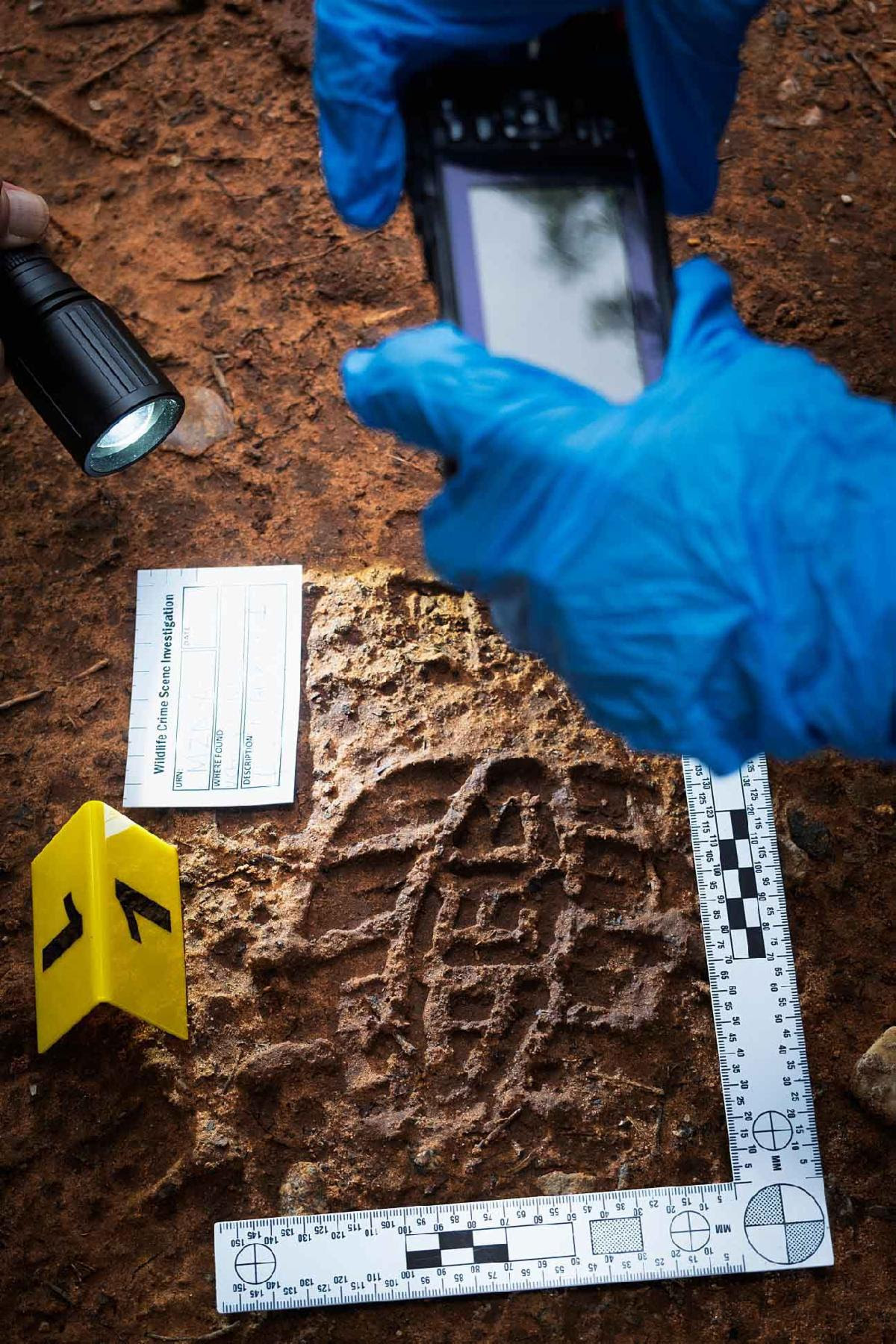
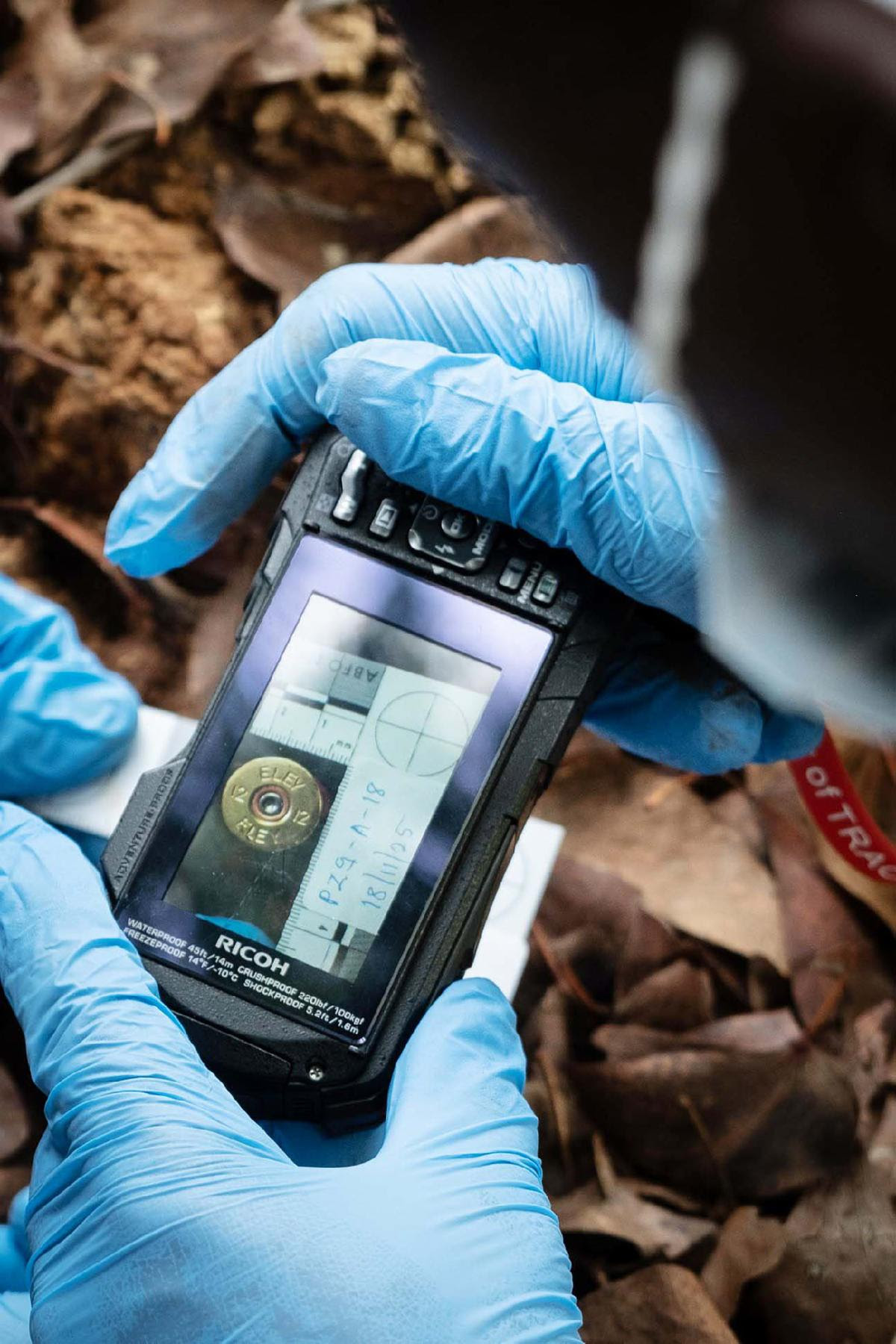
Effective conservation depends not only on protecting animals in the field, but on ensuring wildlife crime is properly investigated and prosecuted. In November, VFWT hosted a 10-day accredited training for ZRP and ZimParks investigators, facilitated by TRACE experts with legal input from VFWT. The programme combined theory and realistic crime scene simulations to strengthen evidence handling and support stronger courtroom outcomes.
Above: From Crime Scene to Courtroom – Building investigative capacity to strengthen wildlife crime prosecutions in Zimbabwe. |
|
Borehole and Nutrition & Fodder Garden Changes Lives
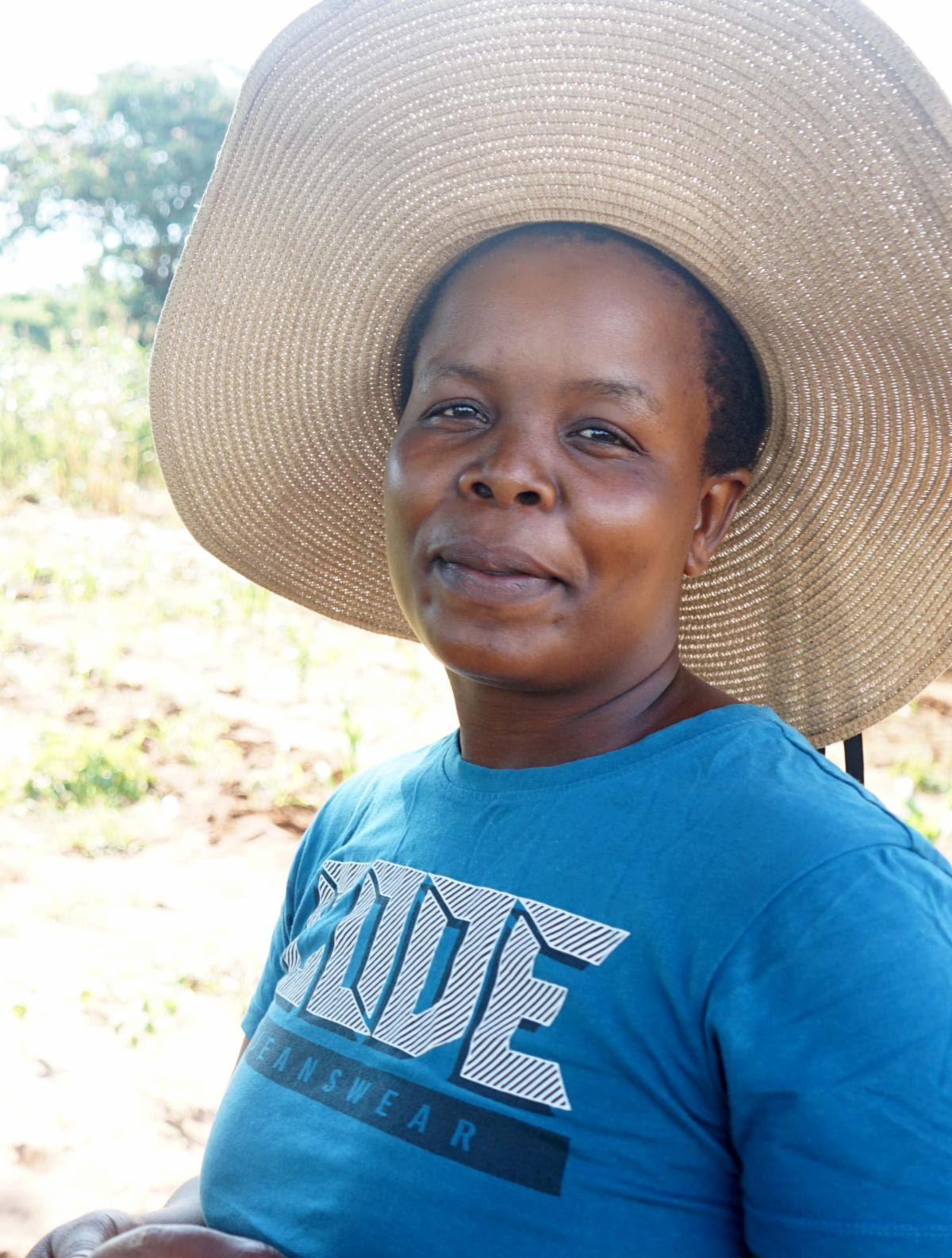
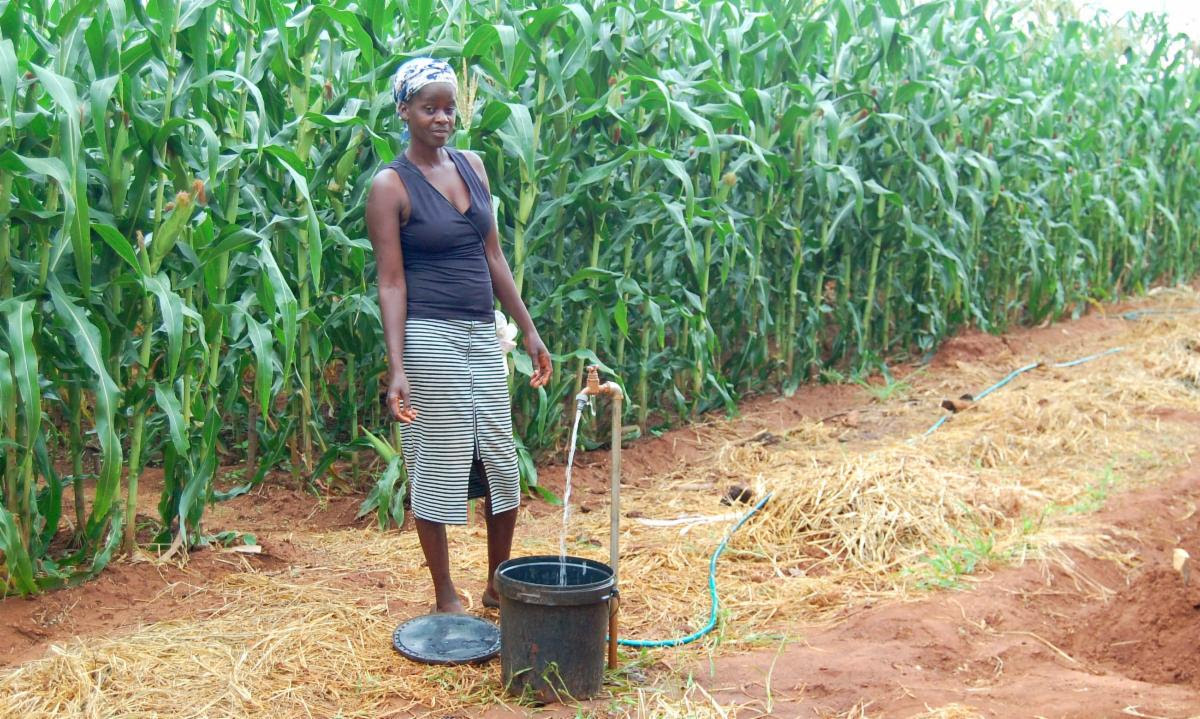
For years, families in Musenyika walked long distances for water, often at personal risk. “It would take about an hour there and back, and we have lions in this area. It was a big risk,” says community member Nomvelo Sibanda. The burden fell hardest on women and children, with many girls missing school to fetch water.
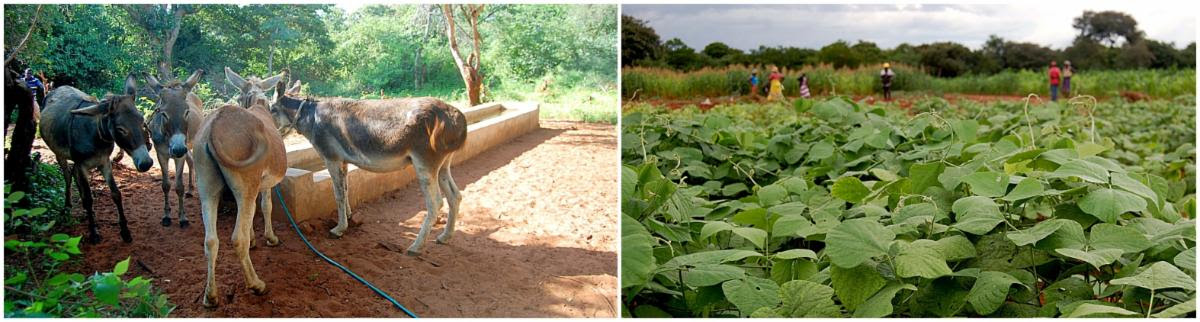
With support from Australian Aid through the Direct Aid Program (DAP), Musenyika now has a solar-powered borehole and a two-hectare nutrition and fodder garden. Clean water is available close to home for households, livestock, and crops.
“Children can now concentrate on school instead of worrying about water. They go to school fresh and confident.”
Nomvelo Sibanda,
Water Management Committee Member, Musenyika Village
The garden is improving food security and incomes. Nomvelo now grows okra and corn, crops she couldn’t grow before. “I can sell the produce and buy other foods and things like mosquito repellent for my family,” she says. Keeping livestock near the village has also reduced conflict and crop damage.
A community-led Water Management Committee oversees the system. “It feels good to manage this ourselves,” Nomvelo adds. “If we are united, as long as we are in agreement, we can reach dizzy heights.”
Welcome back, Edith
We’re pleased to welcome back Edith January, our Community Development Coordinator, following her Master’s in Conservation Science at the University of Kent. Her research focused on farmers’ perspectives on human–lion conflict in Nyaminyami District.
Supported by a Burnett Scholarship from the Notsew Orm Sands Foundation, Edith says: “In my time with VFWT, working closely with communities living alongside wildlife highlighted the complexity of balancing conservation and livelihoods. I wanted to better understand these challenges and contribute practical solutions to conflict mitigation.”
Her studies strengthened her research skills and deepened her understanding of the human dimensions of conservation. Now back in the field, Edith is applying these insights to strengthen community-based conservation and locally grounded coexistence.
Thank you for reading our news! Remember to follow along on our social media channels for our most recent news from the field.
VICTORIA FALLS WILDLIFE TRUST
PO Box 159, Victoria Falls, Zimbabwe | +263 782 799 006
PO Box 23183, San Diego, CA 92193 | 619-602-1725
9 The Clock Tower, Redlers Waterside, Dudbridge Rd., Stroud GL5 3LH, UK
+44 (0)74 76 227 684
www.vfwt.org | info@vicfallswildlifetrust.org
Victoria Falls Wildlife Trust | PO Box 23183 | San Diego, CA 92193 US