
Victoria Falls Wildlife Trust believes a holistic approach to conservation is necessary to protect southern Africa’s majestic wildlife.
We employ best science, community participation, and visionary and practical management in our anti-poaching efforts, wildlife conservation, rescue and rehabilitation, human-wildlife conflict mitigation, and research to prevent the spread of zoonotic diseases.
We’re synergistically stewarding a culture of coexistence with wildlife throughout the region among local communities, NGOs, wildlife agencies and others.
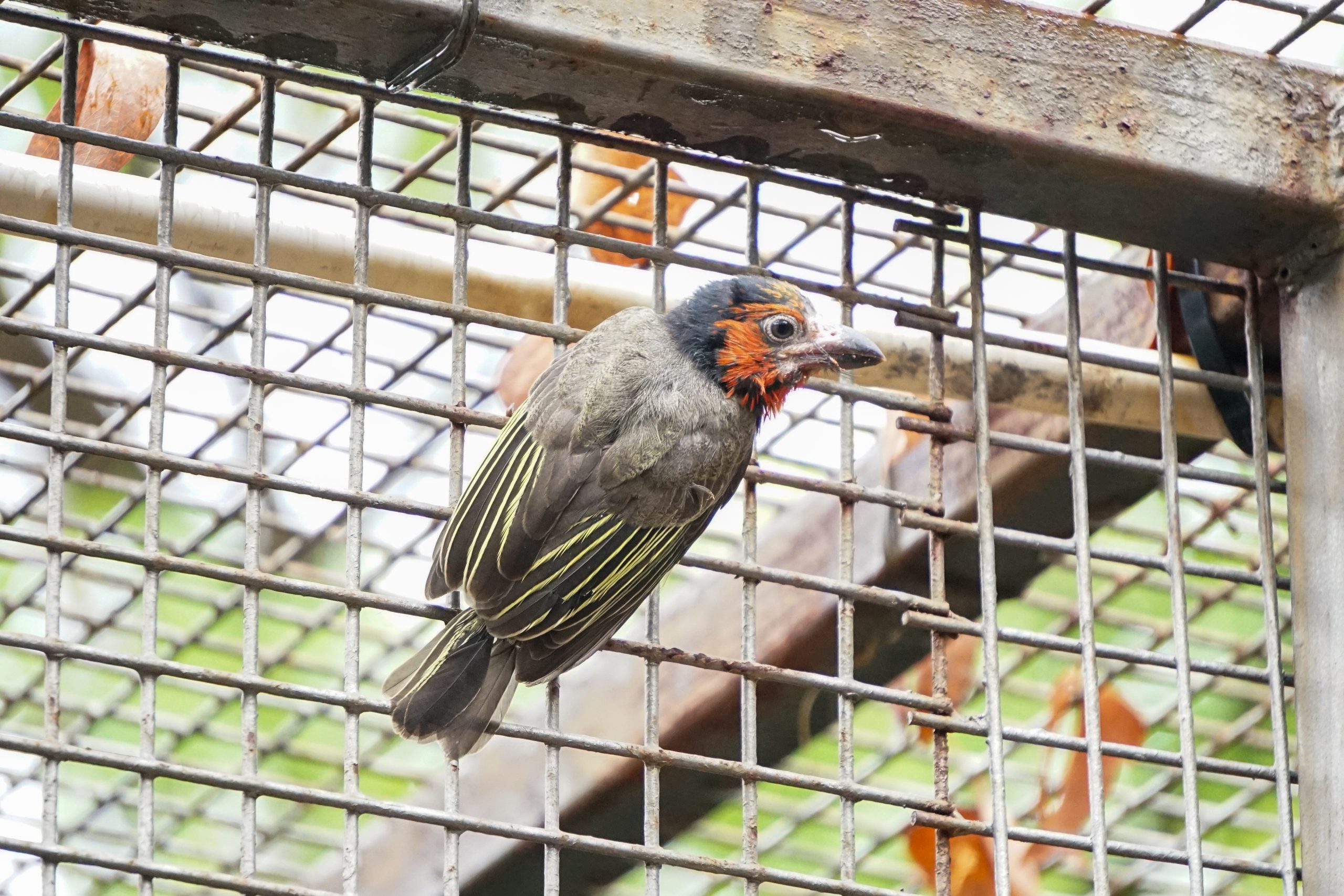
The Trust works to conserve all wildlife. In cases in which wildlife has been injured or orphaned due to human interference we will assist in looking after that animal.

The Victoria Falls Wildlife Trust believes that wildlife research plays a key role in finding sustainable solutions for long term conservation. Increasing human populations places strains on environmental resources, including wildlife habitat

The Victoria Falls Wildlife Trust has established a Wildlife Disease Diagnostics and Forensics laboratory in Victoria Falls National Park. The laboratory is a field station laboratory that aims to look at zoonotic and transboundary animal diseases.
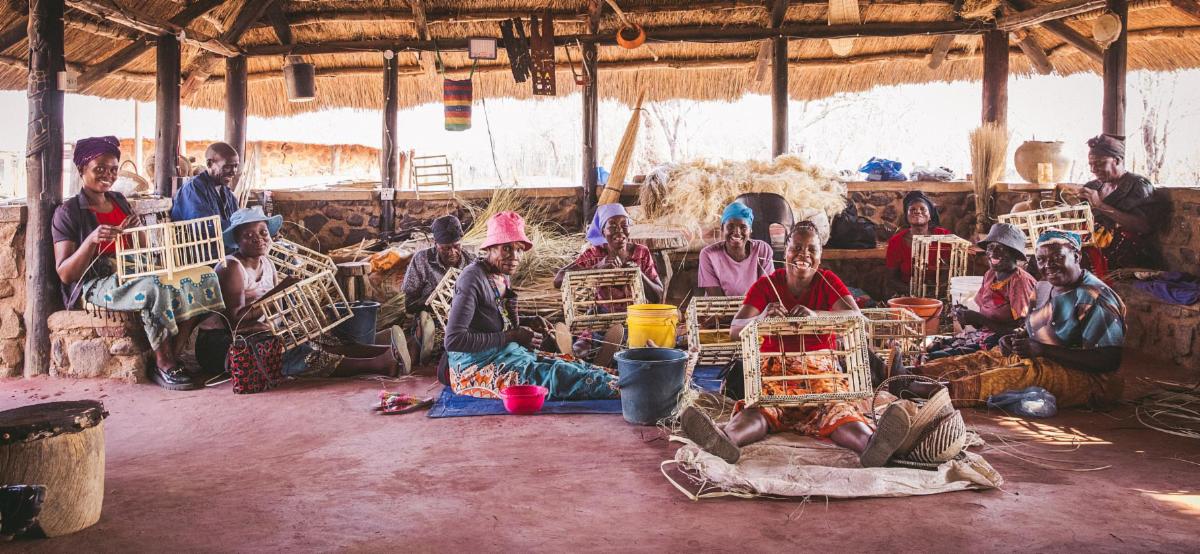
Many of the challenges we face in conservation are ultimately caused by humans. Therefore if we are to be successful in the long-term conservation of wildlife and natural resources we have to work with people so they see the benefits of conservation.

This initiative focuses on preventing poaching, trafficking, and other forms of wildlife crime through a combination of advanced forensic techniques, community engagement, and strategic partnerships. Our work not only protects endangered species but also upholds the integrity of natural habitats, ensuring a safer future for wildlife.
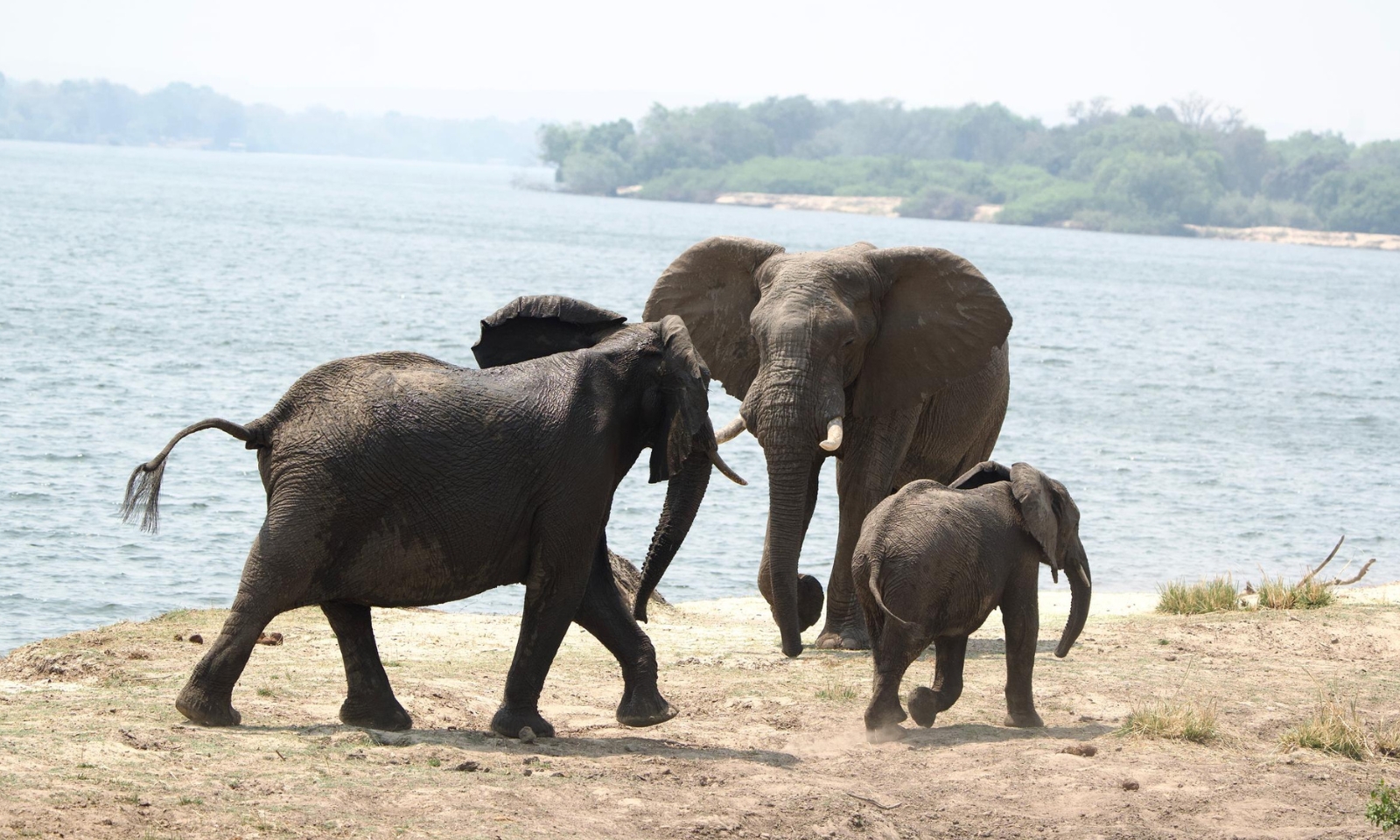
The park’s mosaic of riverine forests, mopane woodland and open grasslands supports iconic wildlife such as elephants, lions, leopards, wild dogs, and over 400 bird species. Its connectivity to neighbouring protected areas and communal lands is vital for maintaining wildlife migration routes and ecological resilience. Protecting Zambezi National Park is therefore not only essential for local biodiversity, but also for sustaining the wider integrity of the KAZA landscape — supporting livelihoods, tourism and climate resilience across the region.